
A shoulder workout that builds width comes down to hitting one specific muscle head the right way. Most lifters spend years pressing heavy weights overhead, yet their upper body still looks narrow in a regular t-shirt. Wide shoulders happen when you train the side delts with strict form, high control, and smart rest.
The short answer is simple: stop relying only on heavy overhead presses. Pick one solid press, follow it with high-quality lateral raise variations, and finish with rear delt work to keep your joints healthy. You need three to four exercises, three sets each, staying within the eight to fifteen rep range. Do this twice a week, and your shoulders will grow wider in twelve weeks.
Why Your Shoulders Look Flat Right Now
Your shoulder has three distinct parts. You have the front head, the lateral side head, and the rear head. The front head already gets plenty of work from bench presses, push-ups, and daily life. When you do heavy chest days, your front shoulders take a beating whether you want them to or not.
The side head is the only part that pushes your frame outward to create that sharp V-shape. If you skip direct work on it, your torso stays straight up and down. A lot of lifters think pressing 135 pounds over their head will blow up their width. It helps build thick joints, but it mostly targets the front portion of the joint.
Form breaks down fast on shoulder exercises. Watch people doing dumbbell raises on a Monday night. They swing their hips, bounce their knees, and shrug their traps up toward their ears. That moves all the tension off the side delt and onto the neck muscles. You can read more about building muscle balance in our guide to smart muscle growth.
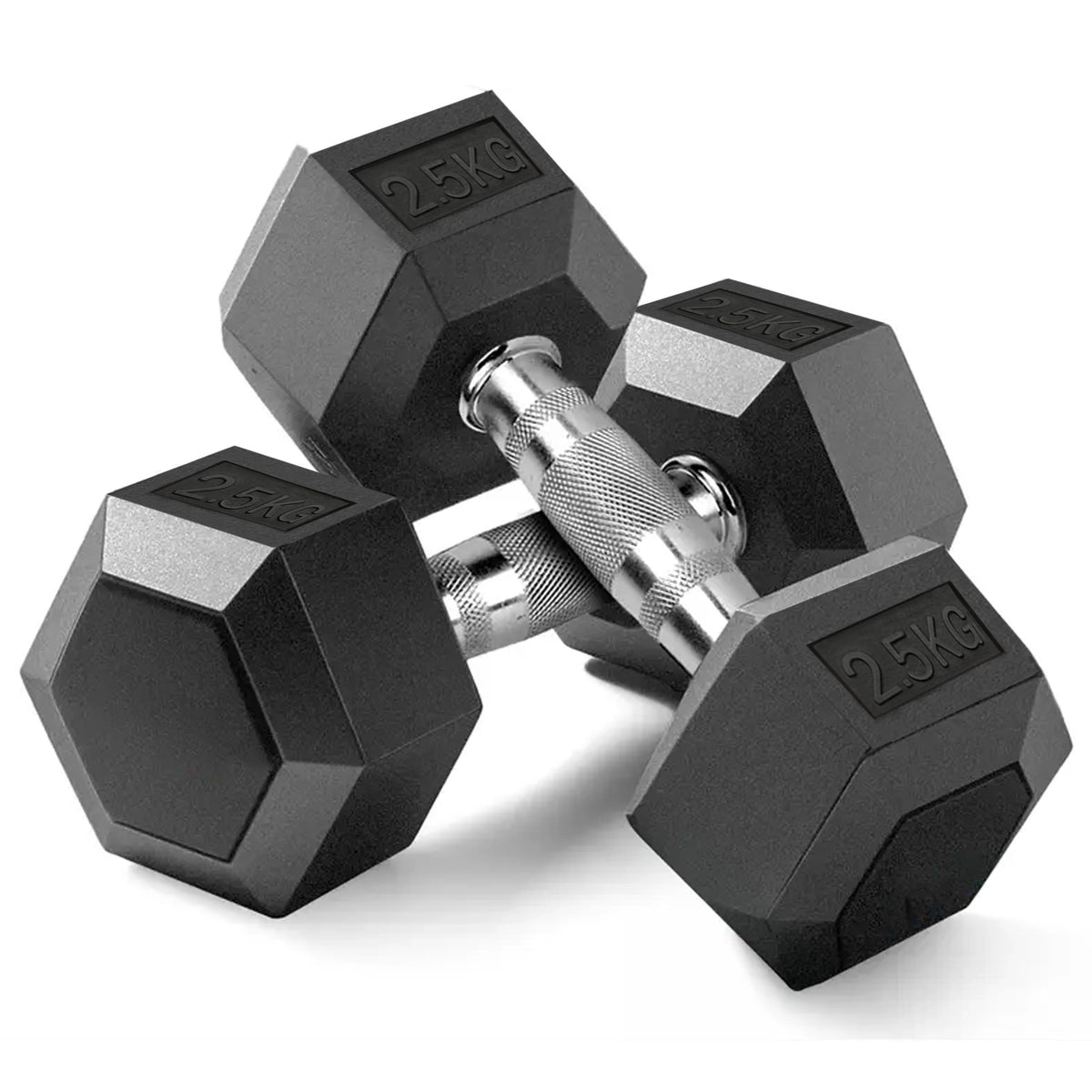
The 4 Best Exercises for Side Delt Width
To build genuine width, you must pick movements that keep continuous tension on the side head. Free weights work well, but cables and chest-supported setups make the muscle work harder through every inch of the lift.
1. Seated Dumbbell Overhead Press
We keep one press in the plan for raw strength and shoulder stability. Sit on a bench set to a high incline, just one notch below ninety degrees. This angle protects your lower back and keeps your rotator cuffs happier than a pure vertical seat.
Take dumbbells you can handle for eight clean reps without arching your spine. Lower them until the dumbbell handles sit right by your ears. Pause for half a second at the bottom, then push back up without locking your elbows hard. Keep your ribcage down throughout the movement.
2. Cable Lateral Raises Behind the Back
Dumbbells are hard at the top and completely slack at the bottom. Cables fix that issue by pulling sideways against your arm through the entire range of motion. Set the cable pulley right around your mid-shin height.
Stand slightly in front of the stack, hold the handle behind your hips, and raise your hand outward at a slight forward angle. Think about pushing your knuckles toward the far wall, not lifting them straight to the ceiling. This angle keeps the shoulder joint safe and places every ounce of weight right on the side delt.
3. Chest-Supported Incline Lateral Raises
Body English is the enemy of wide shoulders. When you lie face down on an incline bench set to forty-five degrees, you cannot swing your lower back. You cannot bounce your knees. The lift becomes pure muscle work.
Grab a pair of light dumbbells, maybe ten or fifteen pounds. Let your arms hang straight down toward the floor. Raise the weights up and out until your arms make a wide T-shape, pause for one beat, and slowly take two seconds to lower down. The burn here is sudden and intense because the traps cannot help you.
4. Face Pulls with a High Rope
You cannot build wide shoulders without training the rear delts. If you only build the side and front, your shoulders will roll forward into a slouch, making your chest look sunken and your shoulders look smaller. Rear delt work pulls your posture back so your width shows.
Set a rope attachment at eye level on a cable machine. Grab the ends with your thumbs pointing backward behind you. Pull the center of the rope directly toward the bridge of your nose while ripping your hands apart. Squeeze your upper back muscles hard on every single rep.
How Many Sets, Reps, and Rest Times Do You Really Need?
Shoulders respond best to moderate weights, tight control, and moderate rest intervals. Unlike heavy back squats that leave your lungs burning, side delts are small muscles that recover quickly between sets. You do not need five minutes of sitting on your phone between sets of raises.
Here is your exact workout breakdown to build maximum width:
- Seated Dumbbell Press: 3 sets of 6 to 8 reps. Rest 2 minutes between sets.
- Cable Lateral Raise: 3 sets of 10 to 12 reps per arm. Rest 60 seconds between sets.
- Chest-Supported Dumbbell Raise: 3 sets of 12 to 15 reps. Rest 60 seconds between sets.
- Rope Face Pull: 3 sets of 15 to 20 reps. Rest 45 seconds between sets.
Keep your rest honest. Grab a watch or watch the gym wall clock. If you rest sixty seconds instead of three minutes, your muscles will fill with blood and you will trigger better growth without needing joint-crushing weights. You can explore standard methods within Bodybuilding training to see why pump volume matters so much for smaller muscle groups.
How to Warm Up Your Shoulders to Stay Safe
The shoulder is the most mobile joint in your entire body, which also makes it the easiest joint to injure. Never walk into the gym cold, grab fifty-pound dumbbells, and start pressing. Taking five minutes to prep your shoulders will add years to your lifting career.
Start with light band pull-aparts. Grab an elastic mini-band with your hands shoulder-width apart. Pull your hands wide until the band touches your chest, keeping your arms straight. Do two sets of twenty easy reps to warm up your rear delts and mid-back.
Next, do arm circles and light internal and external rotations with a three-pound dumbbell or a light band. You want to feel a gentle warmth through the joint capsule before you touch any heavy iron. A quick set of ten light rotator cuff rotations keeps the tendon healthy under load.
Finally, always do warm-up sets on your first exercise. If you plan to press sixty-pound dumbbells, do five reps with twenty pounds, four reps with thirty-five pounds, and two reps with fifty pounds. These sets do not count toward your workout total. They prepare your nervous system for the real work.
Common Mistakes That Kill Shoulder Growth
The biggest trap is lifting too heavy on lateral raises. If you see a guy grabbing forty-pound dumbbells for lateral raises, watch his torso. He dips his knees, jerks his spine backward, and swings the weight up. His side delts are doing almost zero work, while his lower back takes all the strain.
Drop the weight in half. Grab fifteen or twenty-pound dumbbells. Move them smoothly, pause at the top for a split second, and control the way down. Your shoulders will burn twice as much with half the load, and your joints will feel fresh the next morning.
Another common error is pointing your thumbs down during raises. Old advice used to say, act like you are pouring out a pitcher of water at the top. Do not do this. Pouring the water internally rotates your shoulder while under load, which pinches the supraspinatus tendon against your bone. Keep your hands flat, or keep your pinky and thumb level with each other.
Check out our full collection of free training templates and routines to see how to pair shoulder days with chest and back training.
Weekly Schedule for Maximum Shoulder Width
Side delts recover quickly because they are small muscles with short muscle fibers. Hitting them once a week on an old-school shoulder day is rarely enough stimulus for real growth. You will get much better results hitting them twice a week with three to four days of rest in between.
A simple split could look like this: run this shoulder workout on Monday, focus on legs and back Tuesday and Wednesday, and run the shoulder workout again on Friday. This gives your delts two distinct growth signals every seven days without wearing out your rotator cuffs.
Make sure you feed your body enough protein to repair the muscle fibers you break down during training. Aim for roughly one gram of protein per pound of your body weight every day. Pair that with seven to eight hours of solid sleep each night. Your shoulders grow when you are resting in bed, not while you are in the gym.
Next time you walk into the weight room, leave your ego by the front door. Pick up lighter dumbbells, keep your chest flat on that incline bench, and make your side delts do all the pulling. Stick to this exact setup for eight straight weeks and watch your shirts start fitting tighter across your upper frame.


0 Comments: